

We have more land!
We’re delighted to share some exciting news from the Buy Land Plant Trees project: we have purchased Knock Murton, 145 acres of striking fellside near Lamplugh in West Cumbria, increasing our land to 350 acres!
This purchase has been made possible through a combination of funding from Chimney Sheep and the support of a generous private donor who shares our long‑term vision for ecological recovery in the Lake District fringe.
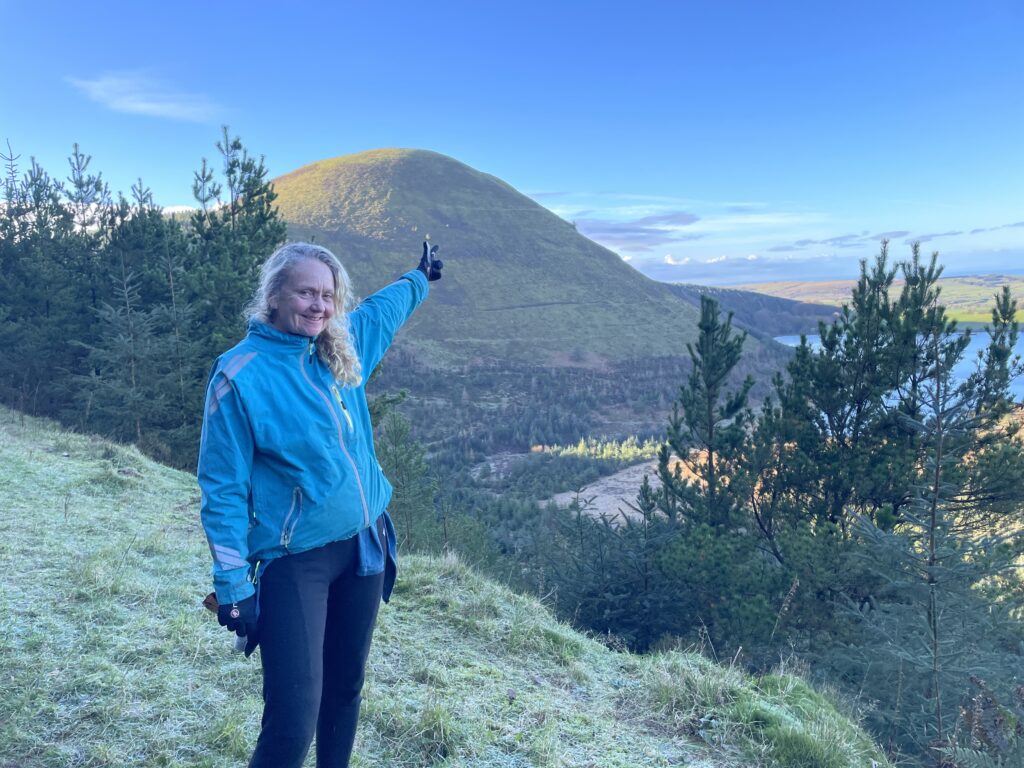
A landscape ready for renewal
Knock Murton sits on the western edge of the Cumbrian fells — a place shaped by centuries of grazing, extraction, and exposure to the elements. It’s a landscape with scars, but also with extraordinary potential. The slopes hold the memory of woodland that once ran from valley floor to ridge, and the soils still carry the seedbank and structure needed for natural processes to return.
Our aim is simple and long‑term:
- allow woodland to regenerate where it wants to
- plant where it helps accelerate recovery
- restore habitats that support wildlife, water resilience, and soil health
- create a landscape that can thrive without intensive human intervention
This is not about imposing a design. It’s about giving the land the time, space, and protection it needs to heal.
Why Knock Murton matters
The site forms a natural ecological bridge between existing woodland pockets, upland heath, and lower‑level farmland. Restoring it will help:
- expand habitat for wildlife
- stabilise soils and reduce runoff into local rivers
- increase carbon storage over the coming decades
- create a more resilient mosaic of habitats across West Cumbria
It also strengthens the growing network of restoration sites we’re building across the region — each one a small but meaningful step toward a healthier landscape.
Made possible by people who care
This purchase wouldn’t have happened without the continued support of Chimney Sheep customers, whose purchases directly fund land restoration, and the generosity of a donor who believes in the power of long‑term, practical environmental action.
Together, you’ve helped secure a piece of land that will now be protected and restored for generations.
What happens next
Over the coming months we’ll begin baseline surveys, mapping existing habitats, soils, and hydrology. From there, we’ll develop a restoration plan that blends natural regeneration with targeted planting, always guided by what the land itself is telling us.
As with all our sites, we’ll share updates as the work unfolds — slowly, season by season, in the way real restoration always does.